
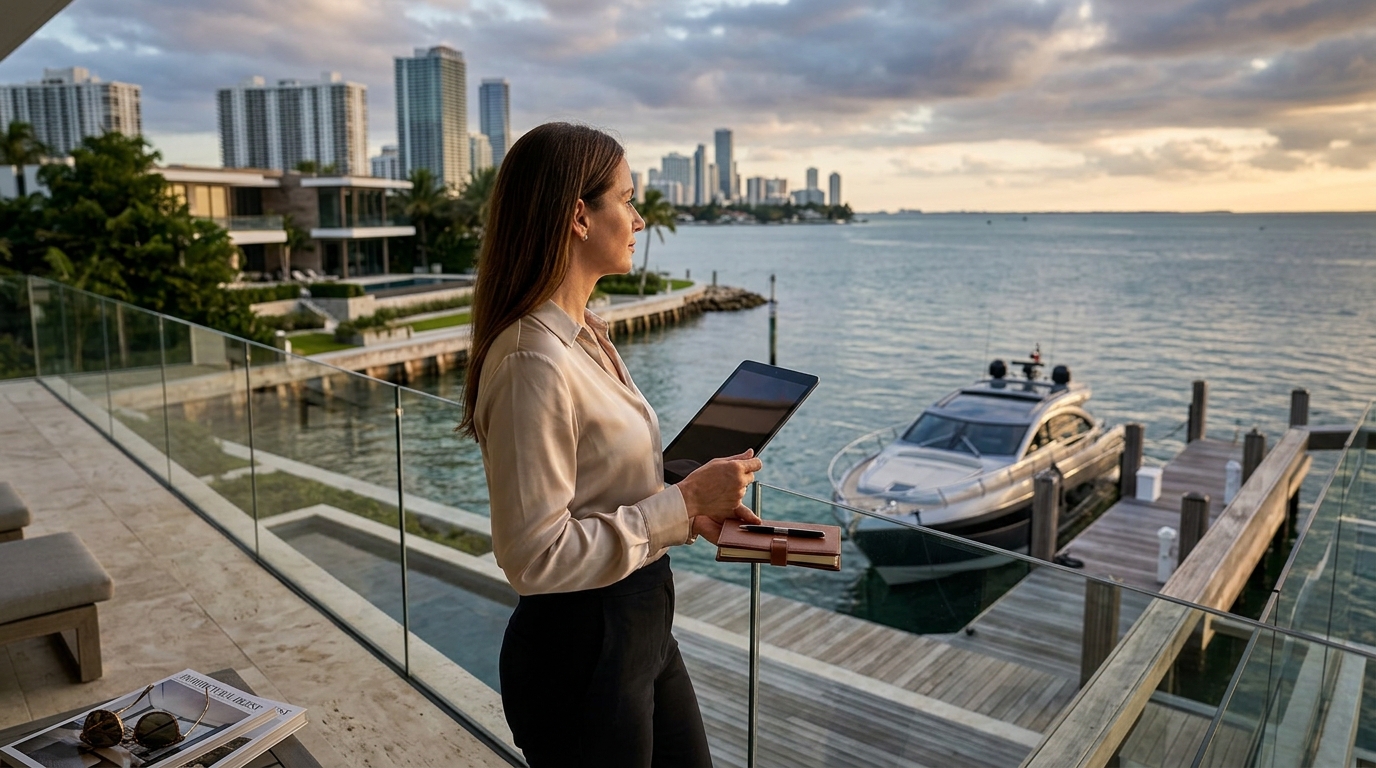
Miami's luxury waterfront real estate market is a high-stakes environment where capital meets climate. According to National Geographic, Miami Beach is one of the most vulnerable cities to sea level rise in the United States. This environmental reality fundamentally alters the risk profile of waterfront investments. Buyers often focus on the aesthetic appeal of the water view while overlooking the structural and financial liabilities that come with owning property at the edge of the ocean. Understanding these pitfalls is not just about avoiding bad deals. It is about protecting a multi-million dollar asset from depreciation, regulatory hurdles, and unexpected maintenance costs.
The Insurance and Flood Zone Crisis
One of the most significant and often overlooked pitfalls in Miami's luxury market is the escalating cost of insurance. Waterfront properties are automatically classified in high-risk flood zones. This classification triggers mandatory flood insurance requirements that are far more expensive than standard homeowner policies. The insurance industry has recently undergone a massive recalibration of risk models. According to Reuters, insurance premiums in South Florida have skyrocketed due to increased claims from severe weather events. Buyers must budget for these costs before making an offer.
Flood insurance is not a one-time expense. It is an annual liability that can increase by double digits each year. A luxury home that appears affordable on paper may become financially unviable once insurance premiums are factored into the monthly carrying costs. Buyers should request a preliminary flood zone determination and insurance quotes during the initial research phase. This proactive step prevents the shock of discovering that a dream home is uninsurable or prohibitively expensive to insure.
Ignoring Structural and Foundation Integrity
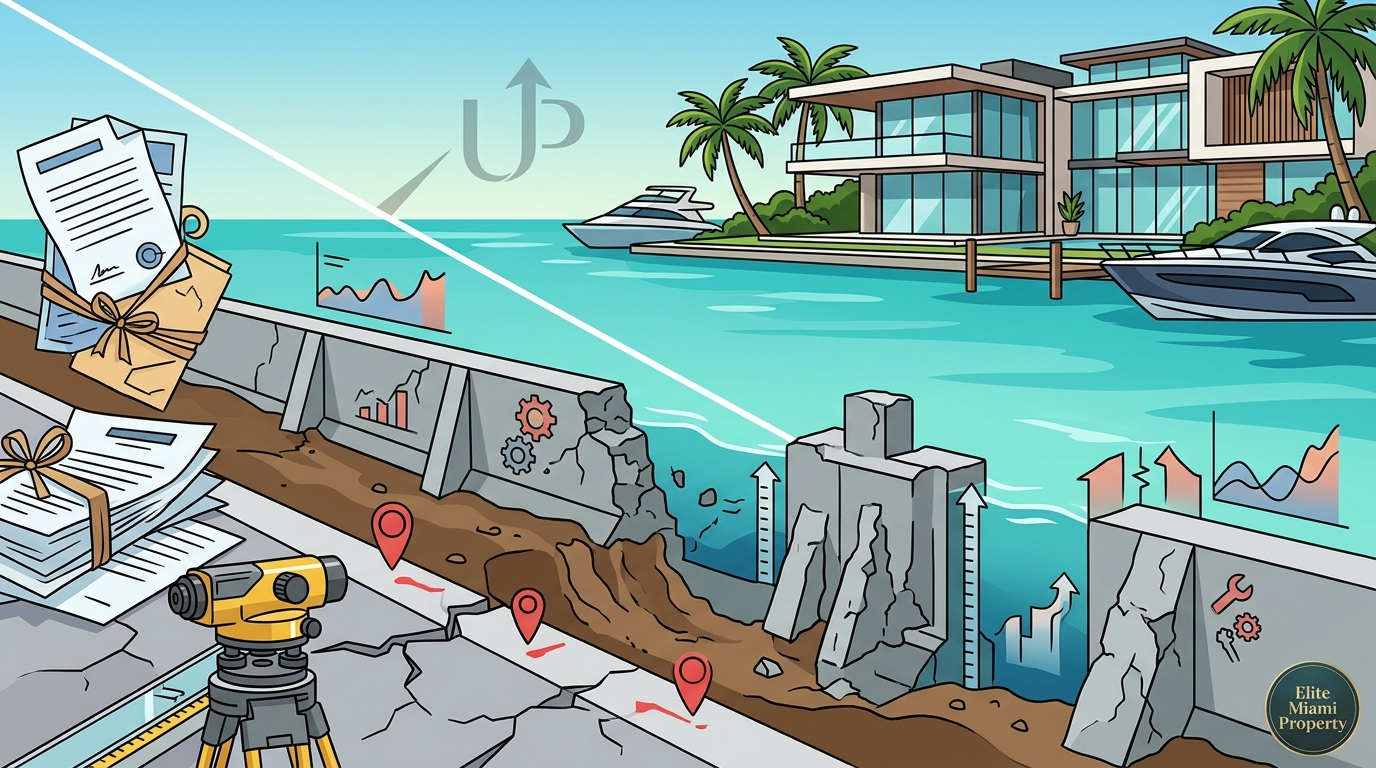
Waterfront properties in Miami are subject to constant exposure to saltwater, humidity, and storm surges. These elements accelerate the degradation of building materials. A common pitfall is relying on a standard home inspection that does not account for marine-specific deterioration. Saltwater corrosion can weaken steel reinforcements in concrete structures. It can also rot wooden pilings and decks that are in constant contact with water.
Foundation integrity is paramount in coastal areas. Many luxury homes are built on pilings or raised foundations to mitigate flood risk. However, these structures require specialized engineering assessments. Buyers should hire a structural engineer who specializes in coastal properties. This professional can identify subtle signs of settling, corrosion, or water intrusion that a general inspector might miss. Ignoring these structural nuances can lead to repair bills that exceed the value of the property itself.
Navigating Zoning and Building Restrictions
Miami has strict zoning laws designed to protect its coastline and manage development density. These regulations can significantly impact a buyer's ability to use or modify their property. One major pitfall is assuming that a waterfront lot can be developed or expanded according to the buyer's personal vision. Local ordinances often dictate setback requirements, maximum building heights, and lot coverage percentages.
For example, many waterfront areas have designated conservation zones that limit the amount of land that can be disturbed. These restrictions may prevent the construction of large pools, extensive landscaping, or even the expansion of the existing home. Buyers must review the local zoning code and any applicable historic preservation guidelines before purchasing. Understanding these constraints ensures that the property aligns with the buyer's long-term goals. It also prevents the frustration of discovering that desired renovations are legally prohibited.
Underestimating Ongoing Maintenance Costs
Luxury waterfront properties demand a higher level of maintenance than inland homes. The marine environment is harsh on exterior finishes, roofing, and mechanical systems. Salt air accelerates the corrosion of metal fixtures, windows, and HVAC units. This accelerated wear and tear leads to higher replacement frequencies and costs.
Pool maintenance is another significant expense. Saltwater pools, while popular for their comfort, require specific chemical balances and equipment that are prone to corrosion. Regular cleaning, filtration, and equipment replacement are necessary to keep the pool in safe and operational condition. Buyers often underestimate the time and money required to maintain a waterfront lifestyle. Establishing a dedicated maintenance fund is essential for preserving the property's value and enjoyment.
Liquidity and Market Volatility Risks
The luxury real estate market is inherently less liquid than the broader housing market. High-end properties take longer to sell because the pool of qualified buyers is smaller. This lack of liquidity can be a pitfall for investors who need quick access to their capital. Market conditions can shift rapidly due to economic factors, interest rate changes, or environmental concerns.
Recent data indicates that the Miami luxury market has experienced periods of cooling and correction. According to the Wall Street Journal, high-interest rates have impacted the affordability of luxury homes, leading to longer days on market. Buyers must be prepared for the possibility that their property may not appreciate as quickly as expected. They must also be ready to hold the asset for a longer period to realize a return on investment. Understanding the cyclical nature of the luxury market is crucial for financial planning.
The Critical Role of Due Diligence
Successful navigation of Miami's luxury waterfront market requires rigorous due diligence. This process goes beyond standard inspections and title searches. It involves a comprehensive analysis of the property's history, legal status, and future potential. Buyers should engage a local real estate expert who understands the nuances of waterfront transactions. The Raymond International Group blog offers valuable insights into market trends and buyer strategies that can inform this process.
Due diligence also includes reviewing community rules and fees if the property is part of a homeowners association. Some waterfront communities have strict rules regarding boat docks, water usage, and exterior modifications. These rules can limit the buyer's freedom and add to the monthly costs. A thorough review of all governing documents is essential to avoid surprises after closing. Working with experienced professionals ensures that all risks are identified and mitigated before the purchase is finalized.
Key Takeaways
- Insurance Costs: Flood insurance premiums in Miami are rising rapidly and can significantly impact monthly carrying costs for waterfront properties.
- Structural Risks: Saltwater exposure accelerates corrosion and deterioration, necessitating specialized structural engineering assessments.
- Zoning Limits: Strict local ordinances govern setbacks, building heights, and conservation zones, limiting development potential.
- Maintenance Burden: Marine environments require more frequent and expensive maintenance for pools, exteriors, and mechanical systems.
- Liquidity Concerns: Luxury properties have a smaller buyer pool, leading to longer selling times and greater market volatility.
- Expert Guidance: Engaging local experts and conducting thorough due diligence is critical to avoiding costly pitfalls.
Frequently Asked Questions
How does sea level rise affect Miami waterfront property values?
Sea level rise increases the risk of flooding and storm damage, which can lead to higher insurance costs and potential depreciation for some properties. However, well-maintained and elevated luxury homes often retain value due to their scarcity and desirability.
What is the average cost of flood insurance for a luxury home in Miami?
Flood insurance costs vary widely based on the property's elevation, construction type, and specific flood zone. Premiums can range from several thousand to tens of thousands of dollars annually. According to FEMA, properties in high-risk zones face the highest rates.
Can I build a dock on my waterfront property in Miami?
Building a dock requires permits from multiple agencies, including the Florida Department of Environmental Protection and the Army Corps of Engineers. Zoning laws and environmental regulations may restrict or prohibit dock construction depending on the location.
What should I look for in a structural inspection of a waterfront home?
Look for signs of saltwater corrosion in steel reinforcements, rot in wooden pilings, and foundation settling. A specialized coastal structural engineer should perform this inspection to identify hidden damage.
How long does it typically take to sell a luxury waterfront property in Miami?
The time to sell varies based on market conditions, pricing, and property uniqueness. On average, luxury properties can take several months to a year to sell due to the smaller pool of qualified buyers.
Are there tax benefits for owning waterfront property in Florida?
Florida has no state income tax, which is a benefit for all property owners. However, property taxes are based on the assessed value of the home. Homestead exemptions may apply if the property is your primary residence, but they are often limited for high-value properties.
What is the best neighborhood for luxury waterfront living in Miami?
Neighborhoods like Coconut Grove, Key Biscayne, and Miami Beach offer diverse waterfront experiences. Each area has unique characteristics regarding privacy, amenities, and price points. Consulting with local agents can help identify the best fit for your lifestyle.
Secure Your Waterfront Investment Today
Buying luxury waterfront property in Miami is a rewarding endeavor that requires careful planning and expert guidance. By avoiding common pitfalls such as underestimating insurance costs, ignoring structural risks, and overlooking zoning restrictions, you can protect your investment and enjoy your waterfront lifestyle. The team at The Raymond International Group specializes in navigating the complexities of Miami's luxury real estate market. Contact us today to schedule a consultation and start your journey toward owning a premier waterfront property.