
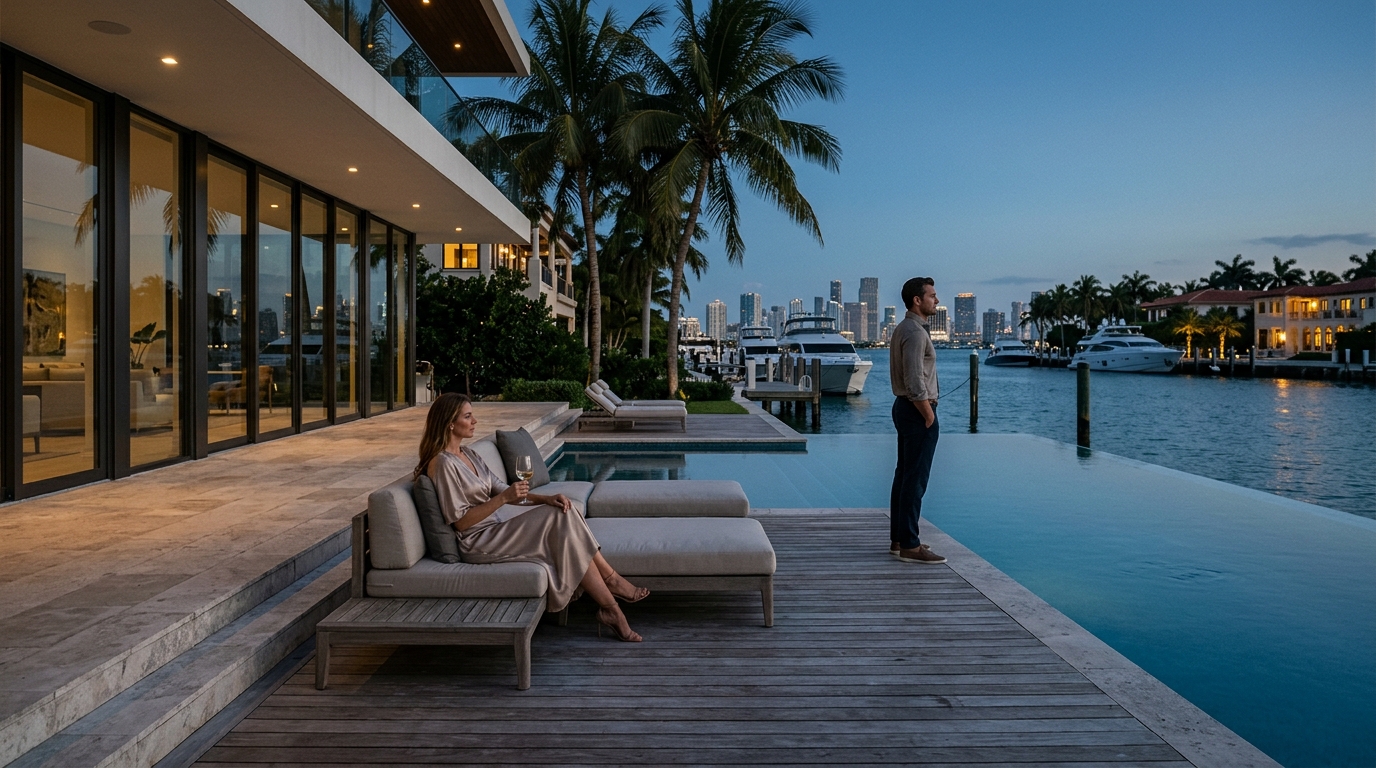
Buying a luxury waterfront home in Miami Beach is not merely a transaction; it is a complex financial and lifestyle commitment that demands rigorous due diligence. According to recent market analyses, the average price per square foot for waterfront properties in Miami has surged significantly, making every dollar spent on due diligence critical to long-term asset protection. Many high-net-worth buyers overlook the nuanced insurance landscape, leading to unexpected premium hikes that can erode property value. This guide outlines the most frequent pitfalls and provides the strategic framework needed to secure your investment safely.
The Insurance Crisis and Premium Shock
The most devastating mistake buyers make is underestimating the cost of homeowners insurance. Miami Beach is classified as a high-risk zone for windstorm and flood damage. Insurance premiums have skyrocketed across South Florida, with some waterfront properties seeing increases of over 200% in recent years. This is not a temporary fluctuation but a structural shift in the insurance market driven by climate risk models.
Buyers must request a CLUE report (Comprehensive Loss Underwriting Exchange) for any property they consider. This report reveals the historical claims data of the home, which directly influences future insurability. Without this data, you are flying blind. A property that appears affordable on the listing price may become financially unviable once insurance costs are factored in. Always consult with a specialized commercial insurance broker before making an offer. They can provide accurate quotes that reflect the true cost of ownership.
Furthermore, understanding the difference between a standard homeowners policy and a separate windstorm policy is crucial. In Florida, these are often split. A comprehensive review of your potential monthly carrying costs must include both. Ignoring this step can lead to a situation where you own the asset but cannot afford to insure it.
Ignoring Structural and Foundation Issues
Waterfront properties in Miami Beach are built on unique geological foundations. Many older homes in areas like Miami Beach and Coconut Grove sit on pilings or shallow foundations that may not meet current seismic or wind codes. A common mistake is relying on a standard home inspection. A standard inspection is insufficient for luxury waterfront real estate.
You must hire a structural engineer who specializes in coastal properties. They will assess the integrity of the pilings, the condition of the seawall, and the potential for soil erosion. The seawall is a critical component of waterfront property. It protects the land from storm surge and tidal erosion. A failing seawall can cost hundreds of thousands of dollars to replace and may not be insurable.
Additionally, check for signs of saltwater intrusion. Saltwater can corrode metal components within the home, including plumbing and electrical systems. This damage is often hidden behind walls and under floors. A thorough moisture mapping inspection is essential to identify these hidden liabilities. Do not skip this step. The cost of a specialized inspection is negligible compared to the cost of repairing structural damage.
Overlooking Zoning and Building Restrictions
Miami Beach has strict zoning laws and building codes designed to protect its coastline. One of the most common mistakes is assuming you can rebuild or expand a property as you wish. The city has implemented a 100-year flood elevation requirement for new construction and major renovations. This means any new build must be elevated significantly above the base flood elevation.
This requirement can drastically reduce the size of your home or increase construction costs. Before purchasing, review the property's zoning designation and any existing variances. If the property is not compliant with current codes, you may be forced to bring it into compliance, which can be prohibitively expensive. Consult with a local land use attorney to understand the regulatory landscape. They can help you navigate the permit process and identify any potential hurdles.
Also, consider the impact of future infrastructure projects. Miami Beach is investing heavily in sea level rise mitigation. These projects can affect access to your property, view corridors, and even property values. Stay informed about city planning initiatives. Knowledge of these projects can help you make a more informed decision about the long-term viability of the investment.
Financing Gaps for High-Value Assets
Luxury waterfront properties often exceed the conforming loan limits set by Fannie Mae and Freddie Mac. This means you will likely need a jumbo loan. Jumbo loans have stricter underwriting standards, including higher credit score requirements and larger down payments. Many buyers fail to secure pre-approval for a jumbo loan before making an offer, leading to deal failures.
Work with a mortgage broker who specializes in high-net-worth individuals and luxury real estate. They can help you structure your loan in a way that minimizes interest costs and maximizes liquidity. Consider the implications of interest-only loans versus amortizing loans. Each has different tax and cash flow implications. A financial advisor should review your overall portfolio to ensure the property fits within your broader financial strategy.
Additionally, be aware of the closing costs associated with luxury properties. These can be significantly higher than standard transactions due to title insurance, survey fees, and legal expenses. Factor these costs into your budget. A clear understanding of your total cash-to-close is essential for a smooth transaction.
Misjudging Neighborhood Dynamics and Traffic
While the allure of waterfront living is strong, the practicalities of daily life in Miami Beach can be challenging. Traffic congestion is a major issue, especially during peak hours and hurricane season. Buyers often underestimate the impact of traffic on their quality of life. A property that is minutes from the beach may be hours away from work or schools during rush hour.
Research the specific neighborhood dynamics. Some areas are more family-friendly, while others are geared towards nightlife and entertainment. Visit the property at different times of the day and week. Experience the noise levels, parking availability, and community vibe firsthand. This on-the-ground research is invaluable. It provides insights that online listings cannot convey.
Also, consider the proximity to essential services. Hospitals, schools, and grocery stores are critical for daily living. Ensure that these amenities are accessible and of high quality. A luxury property is only as good as the infrastructure that supports it. A well-rounded assessment of the neighborhood will help you avoid future regrets.
Comparing Waterfront vs. Inland Luxury Assets
Not every luxury buyer needs a waterfront property. Inland luxury homes in Miami Beach offer many of the same amenities without the insurance and maintenance headaches. Here is a comparison to help you decide.
| Feature | Waterfront Luxury Property | Inland Luxury Property |
|---|---|---|
| Insurance Costs | High (Wind/Flood) | Lower (Standard) |
| Maintenance | High (Seawall, Dock) | Standard |
| Appreciation Potential | Very High | Moderate |
| Privacy | High | Variable |
| Resale Market | Niche | Broad |
This table highlights the trade-offs. Waterfront properties offer superior views and privacy but come with higher costs and risks. Inland properties offer stability and lower carrying costs. Your choice should depend on your risk tolerance and lifestyle preferences. There is no one-size-fits-all answer. Both asset classes have their merits.
Key Takeaways
- Insurance is Critical: Always obtain a CLUE report and specialized insurance quotes before buying.
- Structural Due Diligence: Hire a structural engineer to inspect pilings and seawalls.
- Zoning Compliance: Verify compliance with the 100-year flood elevation requirement.
- Financing Strategy: Secure jumbo loan pre-approval from a specialized broker.
- Neighborhood Research: Visit properties at different times to assess traffic and noise.
- Asset Comparison: Weigh the benefits of waterfront vs. inland luxury assets.
- Professional Guidance: Work with a local expert who understands the Miami market.
Frequently Asked Questions
What is the average cost of insurance for a waterfront home in Miami?
Insurance costs vary widely based on the property's age, elevation, and proximity to the water. However, premiums for waterfront homes in Miami Beach can range from $10,000 to $50,000 or more annually. It is essential to get specific quotes for each property.
Do I need a seawall for a waterfront property?
Most waterfront properties in Miami Beach require a seawall to protect against erosion and storm surge. The condition of the seawall is a critical factor in both insurability and property value. A failing seawall can render a property uninsurable.
What is the 100-year flood elevation requirement?
The 100-year flood elevation is a regulatory standard that requires new construction and major renovations to be built above a specific height to protect against flooding. This requirement can significantly impact the design and cost of a new build.
How do I find a structural engineer for a waterfront home?
You can find a structural engineer through local professional associations or by asking your real estate agent for referrals. Ensure the engineer has experience with coastal properties and understands the specific challenges of Miami Beach.
What are the benefits of buying inland luxury property?
Inland luxury properties typically have lower insurance costs, lower maintenance requirements, and broader resale appeal. They offer a stable investment with less exposure to climate-related risks.
Can I get a jumbo loan for a luxury waterfront home?
Yes, jumbo loans are available for luxury waterfront homes. However, they require higher credit scores, larger down payments, and more extensive financial documentation. Working with a specialized mortgage broker is recommended.
How important is the CLUE report in the buying process?
The CLUE report is crucial. It provides the historical claims data for the property, which insurers use to determine premiums and insurability. A property with a poor CLUE report may be difficult or expensive to insure.
Secure Your Miami Investment
Navigating the luxury waterfront market in Miami Beach requires expertise, precision, and a deep understanding of local regulations. The Raymond International Group provides the guidance you need to make informed decisions. Our team specializes in high-value transactions and offers comprehensive support from search to closing. Contact us today to schedule a consultation and start your journey to luxury waterfront living.