
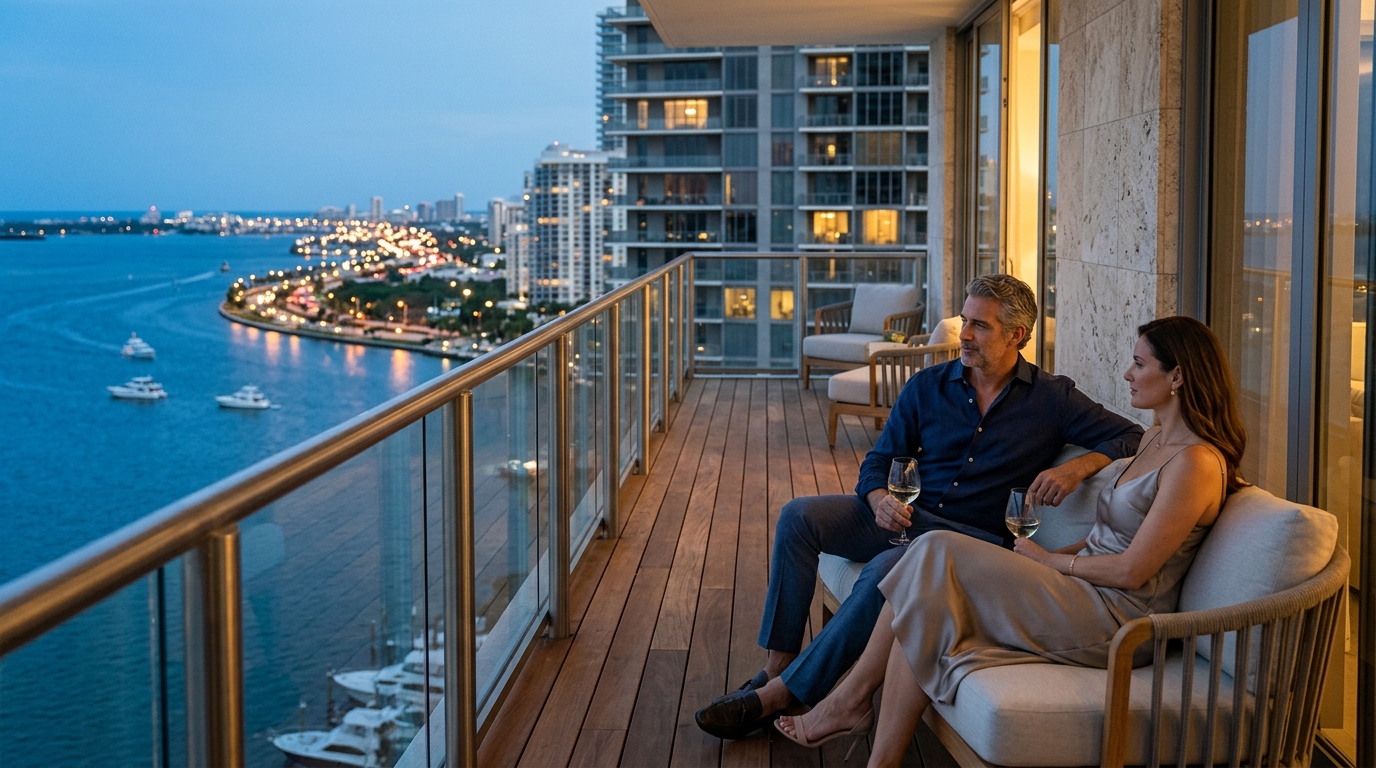
Common Mistakes When Buying Luxury Waterfront Condos in Miami and How to Avoid Them
Buying a luxury waterfront condo in Miami is not merely a real estate transaction; it is a high-stakes financial maneuver that demands precise due diligence. According to recent market analyses, the average closing cost for high-value properties in Miami-Dade County can exceed 3% of the purchase price, a figure that often surprises unprepared buyers. This guide outlines the critical pitfalls that derail luxury transactions and provides the strategic framework to protect your investment. By understanding the unique regulatory and structural landscape of South Florida, you can navigate the complexities of waterfront ownership with confidence and precision.
Understanding Association Finances and Reserves
One of the most frequent errors buyers make is overlooking the financial health of the condominium association. In the luxury sector, monthly maintenance fees can range from $2,000 to over $10,000, depending on amenities and building age. However, the true cost lies in the reserve fund. A well-funded reserve ensures that major repairs, such as roof replacements or facade repairs, do not result in sudden special assessments.
When reviewing the association documents, look for the most recent reserve study. This document projects future capital expenditures and evaluates the current funding level. If the reserve fund is less than 70% funded, you are at significant risk for special assessments. These assessments can total tens of thousands of dollars per unit, instantly altering your investment's cash flow. Always request the last three years of financial statements to identify trends in spending and revenue.
For a deeper understanding of how to evaluate these financial documents, consult our comprehensive buyer resources on our blog. We provide detailed checklists for reviewing association bylaws and financial health.
Navigating Insurance Complexities and Premiums
Insurance is perhaps the most volatile component of owning waterfront property in Miami. The state of Florida has seen a dramatic increase in homeowners insurance premiums due to rising reinsurance costs and climate-related risks. For luxury condos, this often translates to monthly insurance costs that can exceed $5,000 or more, depending on the building's location and construction type.
Buyers often fail to account for these costs in their initial budget. It is crucial to obtain a specific insurance quote for the unit before making an offer. Do not rely on estimates from previous owners, as rates can change drastically year over year. Additionally, some buildings may be in the process of seeking private insurance carriers after leaving state-backed pools, which can lead to further premium spikes.
According to industry reports, the average cost of homeowners insurance in Florida has increased by over 20% in recent years, making accurate budgeting essential. For more insights on managing these costs, review our finance and lending resources which discuss strategies for mitigating insurance-related financial strain.
Evaluating Structural Integrity and Engineering
Following the tragic events of 2021, structural integrity has become a paramount concern for Miami real estate. Buyers must scrutinize the building's engineering reports and any ongoing remediation projects. This is not just about safety; it is about financial liability. Buildings undergoing major repairs may have increased assessments or restricted ability to obtain financing.
Key indicators of structural risk include visible cracks in concrete, water intrusion, and rusting rebar. If a building is in the midst of a facade repair project, ask for the timeline and budget. Delays in these projects are common and can lead to extended periods of disruption, including noise, dust, and limited access to amenities. Ensure that the association has adequate contingency funds to cover these overruns.
For a detailed comparison of building conditions and their impact on property value, see our market analysis tools which provide data-driven insights into structural health and its correlation with resale value.
Financing Challenges for High-Value Assets
Luxury condos often exceed conforming loan limits, requiring jumbo loans. These loans come with stricter underwriting standards, including higher credit score requirements and larger down payments, typically 20% to 30%. Lenders also scrutinize the condo project itself, ensuring it meets specific criteria regarding insurance, reserve funding, and owner occupancy rates.
A common mistake is assuming pre-approval is sufficient. You must ensure the specific building is approved by your lender. Some buildings may be on a lender's "red flag" list due to past financial issues or litigation. This can delay closing or even kill the deal. Work with a mortgage professional who specializes in luxury waterfront properties to navigate these complexities.
Our finance page offers guidance on connecting with local underwriters who understand the nuances of Miami's luxury market. We can help you find partners who offer low rates and low fees to streamline your application process.
Understanding Tax Implications and Assessments
Property taxes in Miami-Dade County are significant and can vary widely based on the property's assessed value and homestead status. For non-residents, the lack of a homestead exemption can result in substantially higher tax bills. Additionally, special assessments for infrastructure improvements, such as seawall repairs or road widening, can add thousands to your annual costs.
Buyers must also consider the impact of the Transfer Tax on their closing costs. Miami-Dade County imposes a local documentary stamp tax on the deed, which is calculated based on the purchase price. This is a non-negotiable cost that must be factored into your total acquisition budget.
To understand how these taxes affect your long-term investment, explore our blog articles on tax planning for luxury real estate investors. We provide case studies and expert advice on minimizing tax liabilities.
Streamlining the Closing Process
The closing process for luxury condos can be lengthy due to the additional layers of approval required. Board approval, financial documentation, and legal reviews can extend the timeline by several weeks. Buyers often underestimate this duration, leading to missed opportunities or financing expiration.
To avoid delays, submit all required documents to the association and lender as early as possible. Maintain open communication with your agent and attorney to address any issues promptly. Our team at The Raymond International Group specializes in managing these complex transactions, ensuring a smooth and efficient closing experience.
For more information on our services and how we can assist you, visit our contact page to schedule a consultation.
Key Takeaways
- Reserve Fund Health: Always review the reserve study; a fund under 70% funded poses a high risk for special assessments.
- Insurance Costs: Obtain specific insurance quotes early, as premiums in Miami can exceed $5,000 monthly for luxury units.
- Structural Due Diligence: Scrutinize engineering reports and ongoing repair projects to avoid financial and safety liabilities.
- Financing Pre-Approval: Ensure the specific condo project is approved by your lender to prevent closing delays.
- Tax Planning: Account for non-homestead taxes and transfer taxes in your total acquisition budget.
- Board Approval: Prepare for a lengthy board approval process by submitting documents early.
- Expert Guidance: Work with a local expert like Kenny Raymond to navigate Miami's unique market dynamics.
Frequently Asked Questions
What is the average closing cost for a luxury condo in Miami?
Closing costs typically range from 2% to 3% of the purchase price, including transfer taxes, title insurance, and attorney fees.
How do I check if a condo building is financially stable?
Request the most recent reserve study and financial statements from the association. Look for a reserve fund that is at least 70% funded.
Why is insurance so expensive for Miami waterfront condos?
High reinsurance costs, climate risk, and the building's proximity to the water contribute to elevated insurance premiums in South Florida.
Can non-residents buy luxury condos in Miami?
Yes, non-residents can purchase property in Miami, but they should be aware of higher property tax rates due to the lack of homestead exemptions.
How long does the board approval process take?
Board approval can take anywhere from two to six weeks, depending on the association's schedule and the completeness of your application.
What is a special assessment?
A special assessment is a one-time charge levied on condo owners to cover unexpected expenses or major repairs not covered by the reserve fund.
How can I avoid financing delays?
Ensure the condo project is approved by your lender and submit all required documentation to the association and lender as early as possible.
Start Your Luxury Real Estate Journey
Avoiding these common mistakes requires expertise, local knowledge, and a proactive approach. The Raymond International Group is dedicated to guiding you through every step of the process, from initial search to closing. Contact us today to schedule a consultation and discover your perfect waterfront home.
Contact Kenny Raymond to begin your journey.