
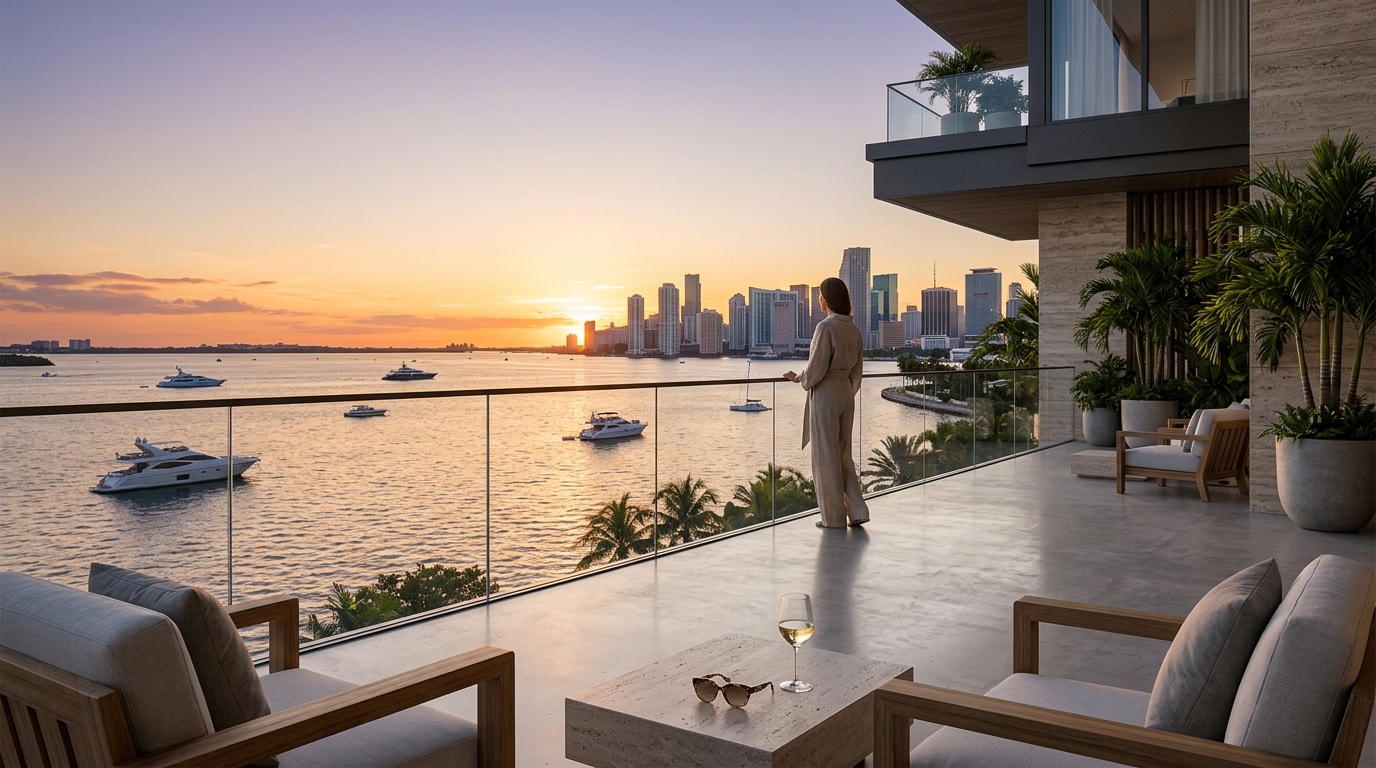
Waterfront properties in Miami represent the pinnacle of luxury real estate, commanding premium valuations due to their scarcity and lifestyle appeal. According to recent market analyses, waterfront homes in Miami-Dade County have consistently outperformed standard residential assets, with average price appreciation rates significantly higher than the broader housing market. This guide explores the nuances of buying, selling, and investing in Miami's most coveted coastal neighborhoods.
Miami Waterfront Market Overview
Miami's waterfront real estate sector is defined by its resilience and global appeal. The city's unique geographic position as a gateway between the Americas and Europe attracts high-net-worth individuals seeking both primary residences and vacation homes. Waterfront property is defined as any real estate asset with direct access to or immediate proximity to navigable water bodies. This definition includes oceanfront, bayfront, and intracoastal properties.
The market dynamics are influenced by several factors, including interest rates, international capital flows, and climate resilience initiatives. Recent data indicates that luxury waterfront listings in Miami Beach and Brickell have seen increased demand from buyers prioritizing security and sustainability. According to industry reports, the number of cash transactions in the luxury segment remains high, reflecting the confidence of international investors in the Miami market.
Understanding the local regulatory environment is crucial for potential buyers. Miami-Dade County has implemented strict building codes and flood insurance requirements for waterfront properties. These regulations ensure the longevity of the assets but also impact the total cost of ownership. Buyers must consider these factors when evaluating the long-term value of a waterfront investment.
Top Waterfront Neighborhoods
Miami offers a diverse range of waterfront neighborhoods, each with distinct characteristics and price points. The following sections highlight the most prominent areas for waterfront living.
Miami Beach
Miami Beach is synonymous with luxury waterfront living. The island offers a mix of historic Art Deco condos and modern high-rise towers. Oceanfront properties here command the highest prices per square foot in the city. The neighborhood is known for its vibrant nightlife, world-class dining, and pristine beaches. Brickell is defined as the financial district of Miami, featuring a dense concentration of luxury high-rise condominiums. While primarily urban, many Brickell towers offer direct bay views and private marina access, appealing to professionals seeking a city-lifestyle with waterfront amenities.
Key Biscayne
Key Biscayne provides a more suburban waterfront experience. The island is connected to Miami by a scenic causeway and offers a quieter, family-friendly atmosphere. Properties here often feature larger lots and direct beach access. The community is known for its excellent schools and parks, making it a popular choice for families seeking a waterfront lifestyle without the urban density.

Sunny Isles Beach
Sunny Isles Beach has emerged as a premier destination for ultra-luxury waterfront condos. The area is home to some of the tallest residential buildings in North America, offering panoramic views of the Atlantic Ocean and the Intracoastal Waterway. The neighborhood attracts international buyers seeking high-end amenities and a sophisticated social scene.
Types of Waterfront Properties
Waterfront real estate in Miami encompasses a variety of property types, each catering to different lifestyle preferences and investment goals.
| Property Type | Key Features | Target Buyer |
|---|---|---|
| Oceanfront Condo | Direct beach access, high-rise views, luxury amenities | Investors, vacation home buyers |
| Bayfront Villa | Private dock, expansive lots, privacy | Families, high-net-worth individuals |
| Intracoastal Home | Water views from multiple sides, boat access | Boating enthusiasts, luxury seekers |
| Waterfront Land | Development potential, customization | Developers, custom home builders |
Each property type offers unique advantages and challenges. Oceanfront condos provide low-maintenance living with access to resort-style amenities. Bayfront villas offer privacy and space but require significant upkeep. Intracoastal homes appeal to those who enjoy boating and water sports. Waterfront land presents opportunities for custom development but involves complex permitting processes.
Investment Strategy and ROI
Investing in Miami waterfront real estate requires a strategic approach. The market is influenced by global economic trends, making it essential to understand the factors driving demand. Real estate investment is defined as the purchase of property with the expectation of generating income or capital appreciation. In Miami, waterfront properties often serve both purposes, offering rental income potential and long-term value growth.
Short-term rental regulations play a significant role in investment decisions. Miami Beach has implemented strict rules regarding short-term rentals, requiring permits and limiting the number of days properties can be rented. Investors must navigate these regulations carefully to ensure compliance and maximize returns. According to recent studies, properties in areas with favorable rental policies have shown stronger performance in the short-term rental market.
Climate resilience is another critical factor for waterfront investments. Properties with elevated structures, impact-resistant windows, and robust flood protection systems are more valuable and insurable. Buyers should prioritize homes that have been upgraded to meet current building codes, as these properties will likely have lower insurance premiums and better long-term durability.
The Buying Process
Purchasing waterfront real estate in Miami involves several steps, each requiring careful attention to detail. The process begins with defining your needs and budget. It is essential to work with a local expert who understands the nuances of the waterfront market. Our blog offers valuable insights into the buying process and market trends.
Once you have identified potential properties, conducting thorough due diligence is crucial. This includes reviewing property disclosures, inspecting the structure for water damage, and verifying flood zone status. Insurance costs can be substantial for waterfront properties, so obtaining quotes early in the process is advisable. Financial planning is also key, as lenders may have specific requirements for waterfront loans.
Negotiation and contract review are the final stages of the buying process. Waterfront transactions often involve complex contingencies related to flood insurance and property condition. Working with an experienced attorney and real estate agent ensures that your interests are protected throughout the transaction. Contact us to schedule a consultation and begin your search for the perfect waterfront home.
Key Takeaways
- Miami waterfront properties have historically outperformed standard residential assets in terms of price appreciation.
- Key neighborhoods include Miami Beach, Brickell, Key Biscayne, and Sunny Isles Beach, each offering distinct lifestyle benefits.
- Property types range from oceanfront condos to bayfront villas, catering to diverse buyer preferences.
- Short-term rental regulations in Miami Beach require permits and limit rental days, impacting investment strategies.
- Climate resilience and flood protection are critical factors in determining property value and insurance costs.
- Working with a local expert is essential for navigating the complexities of the waterfront market.
- Due diligence should include thorough inspections, flood zone verification, and insurance cost analysis.
Frequently Asked Questions
What is the average price of a waterfront home in Miami?
The average price varies significantly by neighborhood and property type. Oceanfront condos in Miami Beach can exceed $5 million, while bayfront villas in Key Biscayne may range from $3 million to $10 million. Realtor.com market data provides detailed pricing trends by area.
Are waterfront properties in Miami prone to flooding?
Waterfront properties are located in flood zones, but modern building codes require elevated structures and flood protection measures. FEMA flood maps can help determine the specific flood risk for any given property.
How do short-term rental regulations affect waterfront investments?
Miami Beach has strict short-term rental regulations, including permit requirements and rental day limits. Investors must comply with these rules to avoid penalties. Miami Beach rental permit information outlines the specific requirements.
What is the best neighborhood for waterfront living in Miami?
The best neighborhood depends on your lifestyle preferences. Miami Beach offers urban luxury, Key Biscayne provides a suburban feel, and Sunny Isles Beach features ultra-luxury high-rises. Our agents can help you find the perfect match.
How much does flood insurance cost for waterfront homes?
Flood insurance costs vary based on the property's flood zone, elevation, and coverage amount. Properties in high-risk zones may have higher premiums. FloodSmart.gov offers tools to estimate insurance costs.
Contact Us
Ready to explore Miami's waterfront real estate market? Our team of experts is here to guide you through every step of the process. Whether you are buying, selling, or investing, we provide personalized service tailored to your needs. Visit our homepage to view current listings and learn more about our services.