
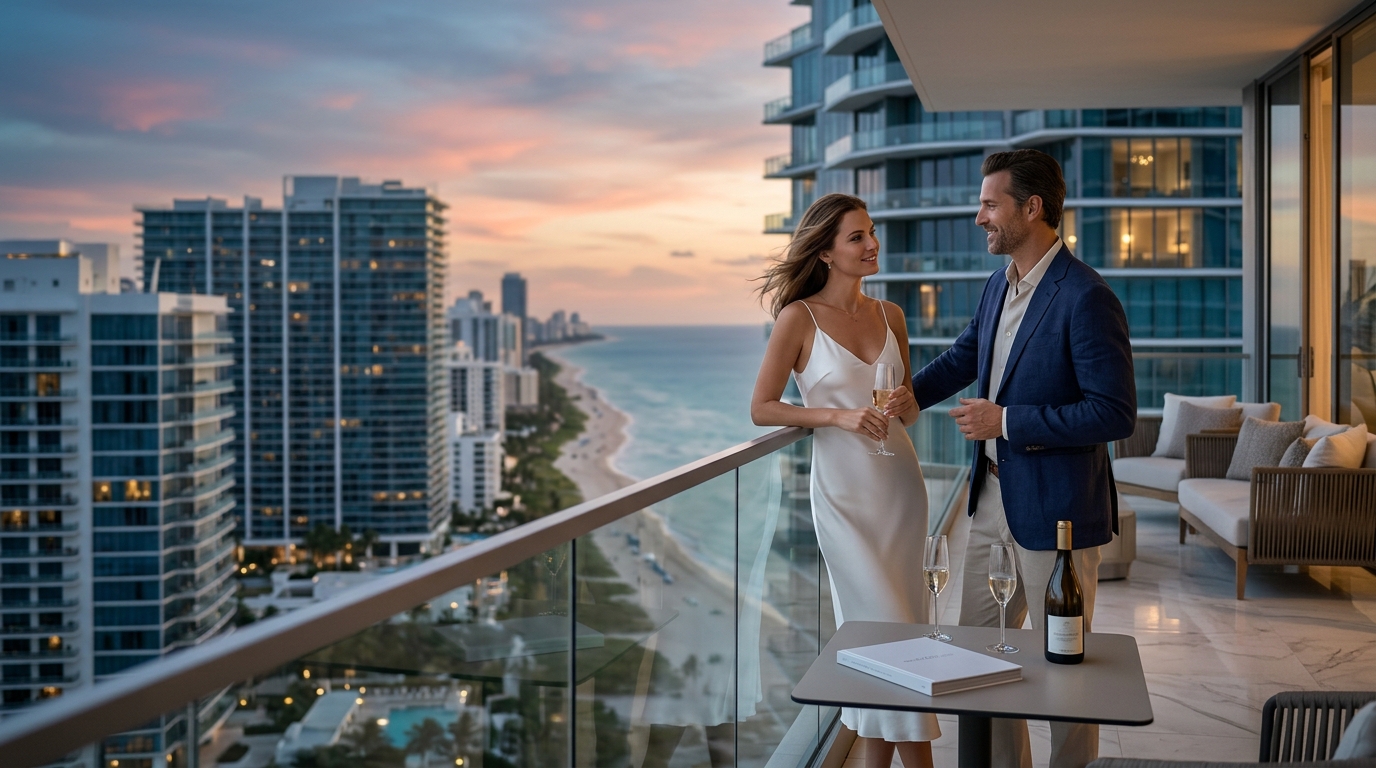
Miami Beach remains one of the most competitive luxury real estate markets in the United States. According to recent market analyses, high-end condominium sales in South Florida have consistently outperformed national averages, driven by international capital inflows and domestic relocation trends. This surge means that buyers must move beyond aesthetic preferences and focus on structural integrity, financial stability, and long-term value retention. The following guide outlines the essential criteria for securing a premium asset in this dynamic environment.
Understanding the Miami Beach Luxury Market
The luxury condominium sector in Miami Beach operates on a unique set of economic drivers. Unlike traditional residential markets, this segment is heavily influenced by global wealth migration and currency fluctuations. Buyers must understand that purchasing a high-end property here is not merely a real estate transaction but a capital preservation strategy.
Market conditions shift rapidly based on interest rate policies and international trade dynamics. For instance, data shows that inventory levels in prime areas like South Beach and Mid-Beach can fluctuate significantly within a single quarter. This volatility requires buyers to act with precision and rely on localized expertise rather than national trends. Understanding the specific micro-market dynamics is the first step in avoiding overpayment for assets with limited upside potential.
For a deeper look at current market conditions, you can review the latest market reports which provide granular insights into pricing trends and inventory levels.
Building Structural Integrity and Insurance
Following the tragic events of 2021, structural integrity has become the paramount concern for luxury condo buyers in Miami Beach. Insurance companies now conduct rigorous engineering assessments before issuing policies, and these assessments directly impact the long-term cost of ownership. A building with a compromised structural history may face skyrocketing premiums or even uninsurability.
When evaluating a property, you must request the most recent structural engineering report. This document details the condition of the foundation, load-bearing walls, and waterproofing systems. Buildings constructed before the 1990s often require extensive retrofitting to meet current wind-load codes. If a building is undergoing or planning major repairs, these costs are typically passed down to unit owners through special assessments.
According to industry data, insurance premiums in South Florida have increased by over 50% in recent years for older high-rises. This financial burden can erode the net value of your investment. Therefore, prioritizing buildings with recent structural certifications or those built after 2010 is a critical risk mitigation strategy. You can explore expert agent guidance to help navigate these complex engineering disclosures.
Financial Implications and HOA Fees
High monthly Homeowners Association (HOA) fees are a defining characteristic of luxury living in Miami Beach. These fees cover everything from 24/7 concierge services and valet parking to pool maintenance and building insurance. However, not all HOA fees are created equal. A low fee might indicate underfunded reserves, while an excessively high fee could signal inefficient management.
Reserve studies are the financial blueprint for a building's future. They outline how much money is set aside for major capital expenditures, such as roof replacement or elevator modernization. A healthy reserve fund should cover at least 70% of the building's projected capital needs over the next ten years. If reserves are low, the building may levy special assessments, which can amount to tens of thousands of dollars per unit.
Understanding the financial health of the association is as important as inspecting the physical unit. Buyers should request the last three years of financial statements and the most recent reserve study. For assistance with financial pre-approval and loan structures, consulting with specialized mortgage partners is essential.
Location Dynamics and Micro-Markets
Miami Beach is not a monolith. It is composed of distinct neighborhoods, each with its own character, price point, and growth trajectory. South Beach offers vibrant nightlife and historic art deco architecture. Mid-Beach provides a more serene, resort-like atmosphere with wider beaches. North Beach and Sunny Isles are emerging as hubs for new, ultra-luxury developments.
Location dictates not only your lifestyle but also your property's resilience to climate risks. Areas with higher elevation and robust seawall infrastructure are generally safer from storm surge. Additionally, proximity to key amenities such as fine dining, cultural institutions, and private airports adds significant value. The neighborhood guides available on our platform break down these nuances in detail.
Investors must also consider the rental market. Some buildings have strict rental restrictions, while others allow short-term vacation rentals. This distinction can dramatically impact the property's income potential and resale appeal to future buyers.

Developer Reputation and Construction Quality
The reputation of the original developer is a strong predictor of a building's long-term value. Established developers with a track record of delivering high-quality projects tend to maintain their brand equity. Conversely, developers with a history of delays, cost overruns, or legal disputes pose a higher risk to buyers.
Construction quality extends beyond the developer's name. It includes the materials used, the craftsmanship of the interiors, and the efficiency of the building systems. Luxury condos in Miami Beach often feature high-end finishes such as Italian marble, custom millwork, and smart home technology. However, these features must be installed correctly to avoid maintenance issues down the line.
Pre-construction buyers have the advantage of selecting units before they are built. This allows for customization and potentially lower entry prices. However, it also carries the risk of delays and changes to the final product. Thorough due diligence on the developer's financial stability and construction timeline is crucial. You can view pre-construction opportunities and detailed project profiles to make informed decisions.
Amenity Value and Lifestyle Integration
Luxury in Miami Beach is defined by the quality of amenities. Buyers should evaluate whether the offered amenities align with their lifestyle needs. Common features include infinity pools, private beaches, state-of-the-art fitness centers, wine cellars, and screening rooms.
The value of these amenities is reflected in the HOA fees and the property's resale value. However, buyers must also consider the maintenance and usage of these spaces. Overcrowded pools or poorly maintained gyms can detract from the luxury experience. Observing the building during different times of the day can provide insight into how well the amenities are managed.
Additionally, consider the building's policies on pets, guests, and renovations. These rules can significantly impact your daily life and the property's flexibility. For a comprehensive list of current listings, our database offers detailed amenity breakdowns for each property.
Exit Strategy and Resale Potential
Every real estate purchase should be viewed through the lens of an exit strategy. The Miami Beach luxury market is cyclical, and timing your entry and exit can significantly impact your returns. Properties in prime locations with strong structural integrity and healthy HOA finances tend to appreciate more steadily during market downturns.
Consider the target demographic for future resale. Will the property appeal to families, retirees, or young professionals? Each group has different preferences regarding layout, amenities, and location. Aligning your purchase with the demands of the next buyer segment can enhance liquidity.
Market data indicates that properties with unique views or rare floor plans often command a premium in the resale market. However, overly customized interiors may limit the pool of interested buyers. Striking a balance between personalization and broad appeal is key. For personalized consultation services, our team is ready to assist you in navigating these strategic decisions.
Key Takeaways
- Structural integrity is the most critical factor post-2021, directly impacting insurance costs and insurability.
- Reserve studies must be reviewed to ensure the building is adequately funded for future capital expenditures.
- Miami Beach consists of distinct micro-markets, each with unique risk profiles and lifestyle benefits.
- Developer reputation serves as a proxy for long-term building maintenance and value retention.
- High HOA fees are standard but must be justified by robust amenities and healthy financial reserves.
- Pre-construction purchases offer customization but carry higher risks regarding delays and final product quality.
- Exit strategy should consider the target demographic and the property's alignment with future market trends.
Frequently Asked Questions
What is the most important factor when buying a luxury condo in Miami Beach?
Structural integrity and the building's financial health are the most critical factors. These determine the long-term viability of the asset and the associated insurance costs.
How do HOA fees impact the value of a luxury condo?
HOA fees cover essential services and reserves. High fees are justified if they maintain high standards and fund robust reserves. Low fees may indicate underfunding, which can lead to special assessments.
Is pre-construction a safer option than buying existing inventory?
Pre-construction offers potential price appreciation and customization but carries risks of delays and construction quality issues. Existing inventory allows for immediate inspection of the building's condition.
What are the best neighborhoods for luxury condos in Miami Beach?
South Beach, Mid-Beach, and Sunny Isles are top choices. South Beach offers nightlife, Mid-Beach offers serenity, and Sunny Isles offers new developments.
How does insurance affect the cost of owning a luxury condo?
Insurance costs have risen significantly in South Florida. Buildings with strong structural certifications and modern construction techniques typically have lower premiums.
What should I look for in a developer's track record?
Look for a history of on-time delivery, quality construction, and financial stability. Avoid developers with a history of legal disputes or project delays.
Can I rent out my luxury condo in Miami Beach?
Rental policies vary by building. Some allow short-term rentals, while others restrict them to long-term leases. This impacts income potential and resale value.
Start Your Luxury Property Search Today
Navigating the Miami Beach luxury condo market requires precision, local expertise, and a deep understanding of structural and financial risks. Our team at The Raymond International Group provides the comprehensive guidance needed to secure your ideal property. We offer expert market insights and financial resources to support your investment journey. Contact us today to schedule a consultation and begin your search for the perfect luxury home.