
How to Find a Trustworthy Real Estate Agent in Miami
Finding the right real estate professional in Miami requires more than just a quick online search. The local market is characterized by high transaction volumes and complex regulatory environments. According to recent industry data, the average home sale in Miami-Dade County involves significant financial stakes that demand specialized local knowledge. Buyers and sellers must navigate unique zoning laws, insurance requirements, and international investment trends. This guide outlines the precise steps to identify an agent with the proven track record necessary for success in this competitive landscape.
Understand Miami Market Complexity
Miami is not a monolithic real estate market. It is a collection of distinct neighborhoods, each with its own pricing dynamics, inventory levels, and buyer demographics. Market segmentation is critical for anyone looking to buy or sell property in this region. A generalist agent may lack the nuanced understanding required for specific areas like Brickell, Miami Beach, or Coconut Grove.
The city has seen significant growth in international investment. This influx creates a unique demand for agents who understand cross-border transactions, currency fluctuations, and international buyer preferences. According to recent economic reports, Miami remains a top destination for global capital, making local expertise even more valuable. Agents who ignore these global trends may miss critical opportunities for their clients.
Understanding the difference between the mainland and the barrier islands is also essential. Properties in Miami Beach often have different insurance and maintenance requirements compared to those in Sunny Isles or Key Biscayne. A trustworthy agent will clearly articulate these differences during your initial consultation.
Verify Hyper-Local Expertise
Experience in the broader South Florida region does not guarantee success in a specific Miami neighborhood. You need an agent who lives and works in the exact area where you intend to buy or sell. Hyper-local knowledge includes understanding school district boundaries, future development plans, and flood zone regulations.
Look for agents who have spent years in a specific community. For example, an agent specializing in Brickell will have deep insights into high-rise condo regulations and HOA financial health. Conversely, an agent focused on Coral Gables will understand the nuances of historic preservation and single-family home maintenance. This specialization ensures they can provide accurate valuations and identify off-market opportunities.
When evaluating local expertise, ask about their recent transactions in your target neighborhood. Have they sold properties in your specific building or street? Do they know the reputation of different condominium associations? An agent with a strong local footprint will have established relationships with other professionals, such as inspectors and contractors, which can streamline your transaction.
Evaluate Proven Track Record
Claims of success are common in real estate. You must verify these claims with concrete data. A trustworthy agent will provide a clear history of their performance, including the number of transactions closed in the past year and the average list-to-sale price ratio. Transaction volume is a key indicator of an agent's current market activity and relevance.
Review their client testimonials and case studies. Look for feedback that highlights their negotiation skills, problem-solving abilities, and responsiveness. Positive reviews from clients who faced similar challenges to yours are particularly valuable. For instance, if you are buying a waterfront property, look for testimonials that mention successful navigation of insurance or inspection issues.
Consider the agent's marketing strategy for sellers. Do they use professional photography, virtual tours, and targeted digital advertising? A strong marketing plan is essential for maximizing exposure and achieving top dollar. Ask for a sample marketing plan to see how they would promote your specific property.
Assess Communication Standards
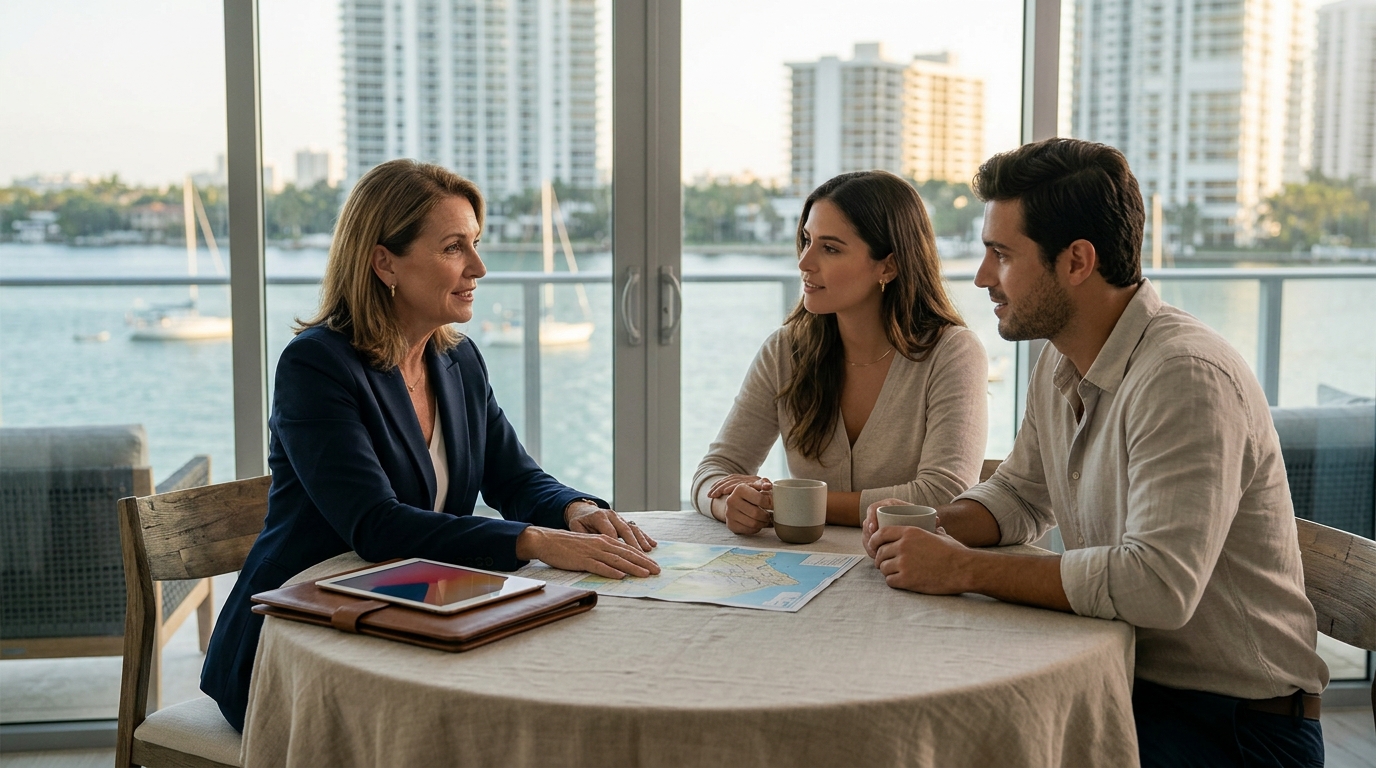
Real estate transactions are complex and time-sensitive. Clear and consistent communication is non-negotiable. During your initial meetings, pay close attention to how the agent responds to your questions. Do they listen actively? Do they provide clear, concise answers? Communication style must align with your preferences and expectations.
Establish your preferred method of communication early on. Some clients prefer phone calls, while others favor text messages or email. A trustworthy agent will respect your preferences and provide regular updates throughout the process. They should also be proactive in identifying potential issues before they become major problems.
Ask about their availability. Real estate does not operate on a nine-to-five schedule. You need an agent who is accessible when you need them, especially during negotiations or closing. Confirm their response time expectations and ensure they have the capacity to handle your transaction effectively.

Check Professional Credentials
Licensing is the baseline requirement for any real estate agent. However, additional credentials can signal a higher level of expertise and commitment to the profession. Look for designations such as Certified Residential Specialist (CRS) or Accredited Buyer's Representative (ABR). These designations require additional education and experience.
Verify the agent's standing with the Florida Real Estate Commission. Ensure there are no disciplinary actions or complaints against them. A clean record is essential for trust and professionalism. You can also check their membership in local and national real estate associations, which often require adherence to a strict code of ethics.
Consider the agent's affiliation with a reputable brokerage. Established brokerages like Berkshire Hathaway HomeServices provide resources, support, and a network of professionals that can benefit your transaction. This affiliation often indicates a higher standard of service and accountability.
Compare Service Offerings
Different agents offer different levels of service. Some may provide a full-service approach, including staging, photography, and negotiation support. Others may offer more limited services. Understand exactly what is included in their fee structure and what additional costs you might incur.
Review their contract terms carefully. Look for clarity on commission rates, duration of the agreement, and exit clauses. A trustworthy agent will be transparent about their fees and willing to explain any charges. Avoid agents who are vague or reluctant to provide written documentation.
Consider the value they bring beyond the transaction. Do they offer resources for home inspections, mortgage pre-approval, or legal advice? An agent who can connect you with a network of trusted professionals adds significant value to your experience.
Key Takeaways
- Local Specialization: Prioritize agents who specialize in your specific Miami neighborhood, such as Brickell or Miami Beach, for accurate market insights.
- Verified Performance: Request concrete data on recent sales, list-to-sale price ratios, and transaction volume in your target area.
- Communication Style: Ensure the agent's communication preferences and availability align with your needs for a smooth transaction.
- Professional Credentials: Verify licensing, check for disciplinary records, and look for advanced designations like CRS or ABR.
- Brokerage Support: Choose an agent affiliated with a reputable brokerage that provides robust resources and network access.
- Transparent Fees: Review contract terms and commission structures clearly to avoid hidden costs or misunderstandings.
- Network Access: Value agents who can connect you with trusted inspectors, lenders, and legal professionals.
Frequently Asked Questions
What is the best way to verify a Miami real estate agent's local experience?
Ask for a list of recent transactions in your specific neighborhood. Verify these listings on public records or MLS databases to confirm their active role and success rate.
Why is hyper-local expertise important in Miami?
Miami consists of distinct neighborhoods with unique pricing, zoning, and insurance requirements. An agent with hyper-local knowledge can navigate these complexities more effectively than a generalist.
What credentials should I look for in a Miami real estate agent?
Look for active licensing, a clean disciplinary record, and advanced designations like CRS or ABR. Membership in professional associations also indicates a commitment to ethical standards.
How do I assess an agent's communication style?
During your initial consultation, note their responsiveness, clarity, and willingness to listen. Establish your preferred communication methods and frequency of updates upfront.
What questions should I ask a potential real estate agent?
Ask about their recent sales in your area, their marketing strategy, their commission structure, and how they handle difficult negotiations. Request references from past clients.
Can an agent help with international buyers in Miami?
Yes, many Miami agents specialize in international transactions. They can assist with currency exchange, cross-border legal requirements, and cultural nuances that affect the buying process.
How long does it take to find a trustworthy agent?
The process varies, but it typically takes a few weeks to interview multiple candidates, verify their credentials, and select the best fit for your specific needs.
Contact for Expert Guidance
Finding the right real estate professional is the most critical step in your Miami property journey. The Raymond International Group offers decades of local experience and a proven track record of success. Our team provides comprehensive guidance for buyers and sellers, leveraging deep market knowledge and a robust network of resources. Contact us today to schedule a consultation and discover how we can help you achieve your real estate goals.